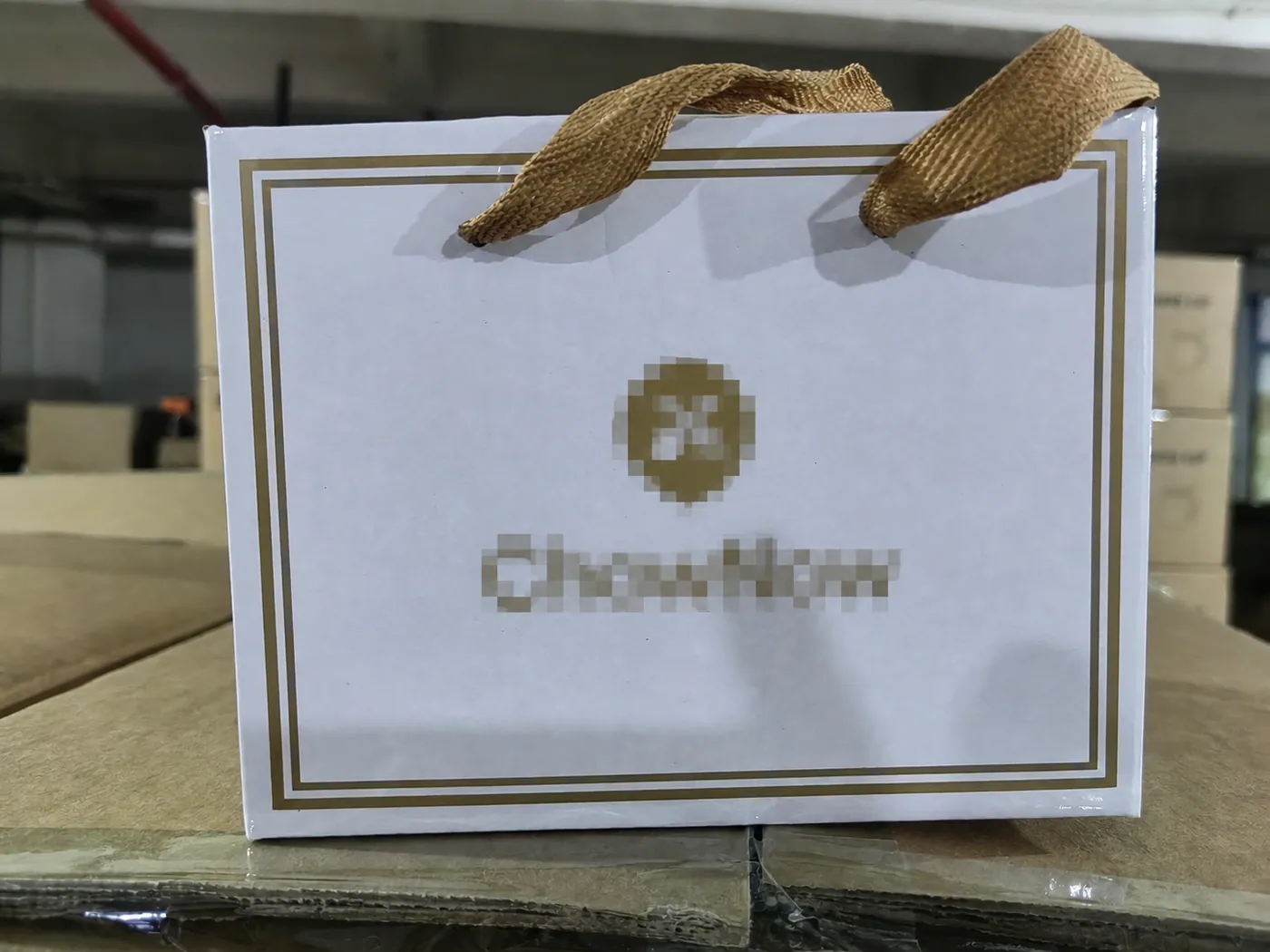
Short answer: a digital mockup is useful for choosing the direction, but it cannot prove the exact material, print result, color match or box fit. Use a physical sample when those details affect the decision; use a documented pre-production reference when the approved result must control bulk output.
Custom promotional products are not approved in one step. A tumbler, tote bag or complete gift kit can involve product selection, logo treatment, packaging and delivery requirements that each need a different kind of check.
This guide helps agencies, event planners and corporate buyers choose a practical approval route. The exact sample options, cost and timing depend on the selected product, decoration method, quantity and deadline, so confirm the route before placing a bulk order.
Contents
Choose the approval that answers the right question
Calling every reference a 鈥渟ample鈥?makes procurement less clear. Ask what the item is intended to verify, what remains unverified and whether the final bulk order will be matched against it.
| Approval type | Useful for checking | It does not prove | Ask before approving |
|---|---|---|---|
| Digital mockup | Logo position, approximate scale, product color direction and kit composition. | Exact material texture, physical color, print adhesion, box fit or shipping protection. | Which product image and print area were used, and whether the shown configuration is available. |
| Blank product sample | Shape, dimensions, material feel, lid or hardware function, and general product quality. | The final logo result, decoration durability or a custom packaging configuration. | Whether the final production item and color will be the same specification. |
| Decorated sample | Logo method, placement, contrast, approximate color result and finish on the selected product. | That every bulk unit will be identical unless the approved reference and tolerances are documented. | Decoration method, artwork version, print size, location and any acceptable variation. |
| Pre-production reference | The approved combination of product, decoration, packaging and assembly before bulk output. | Future changes made after approval, or details that were not included in the agreed specification. | Which sample controls bulk production and who has final sign-off authority. |
A digital mockup is usually the first efficient checkpoint. It lets the buyer correct an artwork direction before a physical item is made. It should be treated as a visual proposal, not a substitute for a physical check when material, color or function matters.
When is a physical sample worth requesting?
A physical sample is most useful when a wrong assumption would be expensive, difficult to fix or visible to the recipient. Consider one when the order includes any of the following:
- A precise brand-color requirement or detailed multicolor artwork.
- An unfamiliar material, coating, lid, closure, fabric or hardware choice.
- A logo process whose finish needs to be assessed in person.
- A large or high-visibility campaign where the buyer needs a physical sign-off.
- A custom box, insert, card or multi-item kit that must fit and present correctly.
- A delivery route where individual packing and outer-carton protection matter.
For a straightforward repeat order using a previously approved product and decoration method, a new physical sample may not be necessary. Confirm that the selected SKU, artwork version and process have not changed before relying on an earlier reference.
Do not approve a vague reference
鈥淟ooks good鈥?is not enough when the order has several moving parts. Name the product or SKU, color, material, logo file, decoration method, print position, packaging configuration and any sample that controls the final result.
A practical approval path for a custom order
- Share a complete brief. Include the use case, product direction, quantity, destination, need-by date, logo file and packaging requirement.
- Confirm the product direction. Check that the material, dimensions, color and components being discussed are the intended configuration.
- Review a digital mockup. Use it to align the visual direction, then identify anything that can only be tested physically.
- Agree the sample route. Confirm whether a blank sample, decorated sample or pre-production reference is available and what it will prove.
- Record final approval. Put the approved product, artwork and packaging facts in writing before bulk production starts.
- Check bulk against the reference. Inspection should compare the agreed production details with the documented approved configuration.
This route is especially useful for agency procurement, where a client decision and production decision may involve different people. A clear approval record prevents a client-facing mockup from being mistaken for a complete production specification.
Extra checks for gift kits and custom packaging
Gift kits add another layer of approval. A product can look correct on its own but still fail as a completed presentation if the box, insert, card or assembly sequence is not tested.
For a multi-item kit, confirm:
- Which products and quantities are included in each finished kit.
- Whether the insert holds the actual selected product sizes securely.
- Which logo belongs on the product, box, card, seal or outer carton.
- Whether the kit is designed for hand delivery, individual shipment or both.
- How the final kit is protected for its chosen delivery route.
See the custom gift boxes and packaging page for the packaging considerations that should be part of a complete brief.
Write an approval note that can guide bulk production
After the visual and physical checks are complete, record the exact direction in a short approval note. It does not need to be complicated, but it should be specific enough that the buyer, sourcing team and production team mean the same thing.
Include these fields:
- Product name or SKU, material, color and any selected component.
- Quantity and quantity breakdown by color or design.
- Artwork filename/version, logo position, dimensions and decoration method.
- Packaging, insert, card, labeling and assembly requirements.
- The reference image or physical sample that controls the outcome.
- Any explicitly accepted variation and the person authorized to approve changes.
This is also the right point to separate what is confirmed from what remains to be checked. It is safer to list an open question than to quietly assume an outcome.
Buyer questions about samples and approval
Can a mockup show the exact final print color?
No. A screen display or digital render is useful for direction, but it cannot guarantee how ink, engraving or other decoration will look on a particular product surface. Confirm the physical route when exact color or finish is critical.
Does a physical sample guarantee the whole bulk order?
It gives a concrete reference, but the buyer still needs the approved specification and inspection criteria to state how bulk production will be checked against it. Ask which reference controls the order before approval.
When should I raise a packaging concern?
Before bulk assembly begins. Share the delivery route and whether the kit will be shipped individually, because presentation packaging and transit packaging do not solve the same problem.